

Education & Outreach
Outreach
The NMPWRC connects research with New Mexico communities, water stakeholders, and public agencies. Our outreach work helps bridge the gap between scientific research and real-world water challenges across the state.
Through education, communication efforts, and direct engagement, we share practical water-reuse insights and build partnerships that turn science into solutions that support local needs, industries, and New Mexico’s long-term water sustainability.
Education
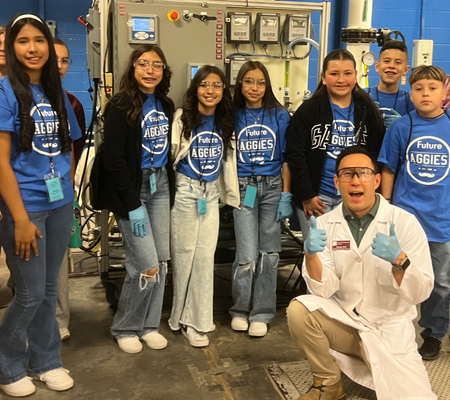
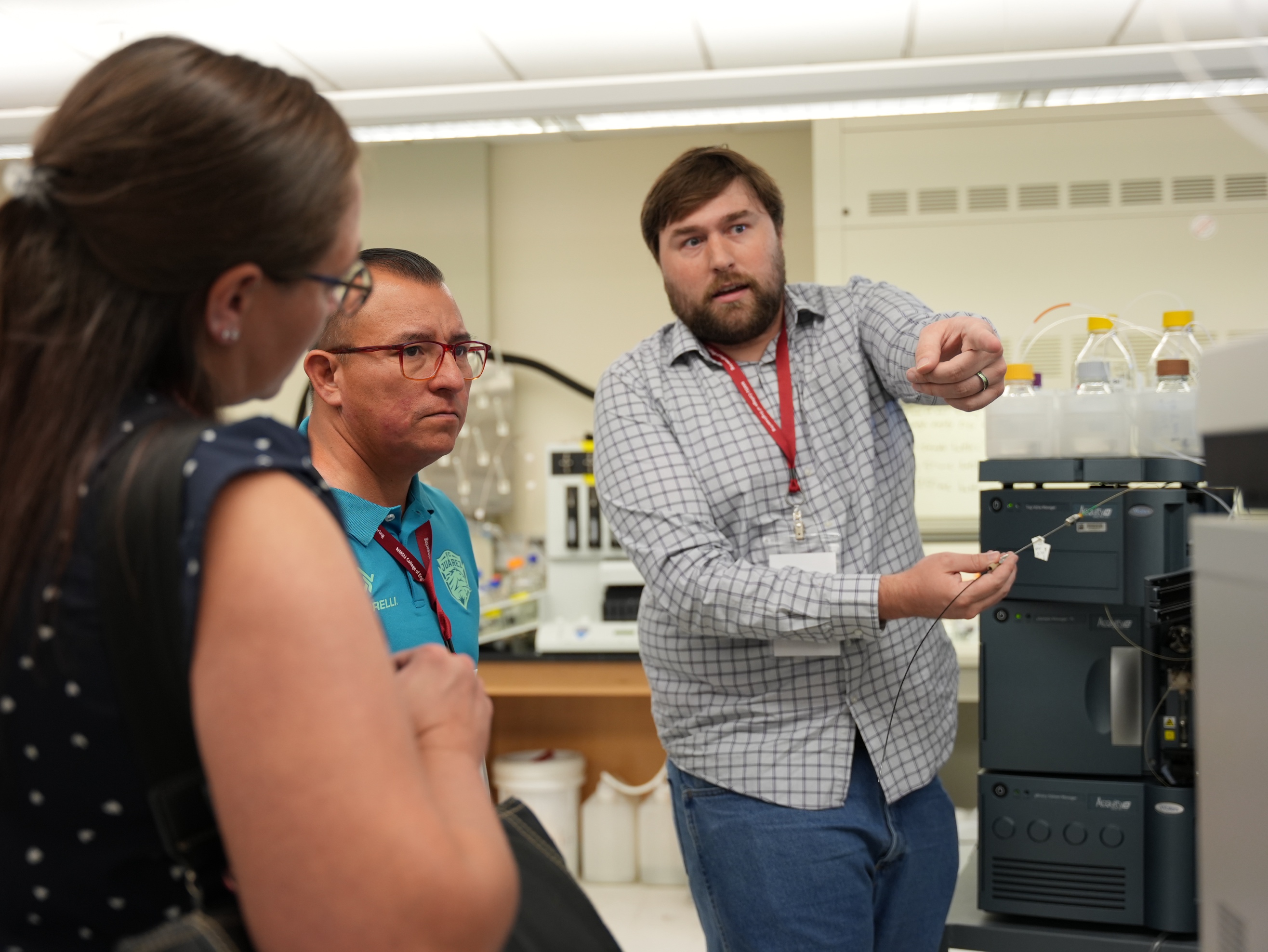
We develop clear, accessible learning materials—webinars, podcasts, and visual guides—to help students, professionals, and communities understand produced water and reuse technologies. Our outreach efforts also connect with schools, local governments, and organizations across New Mexico to support innovation and share research-based solutions for water resilience.
Produced Water Glossary
Water that comes out of the ground along with oil and natural gas during drilling. It often contains salt, minerals, and other substances.
Holes drilled deep into the earth to bring up oil and natural gas used for energy and products.
Very salty water. Produced water is often briny because it has been underground for a long time.
The process of cleaning produced water so it can be reused safely, instead of being wasted.
Using produced water again after it has been treated. For example, it might be reused in drilling, farming, or industry.
A deep hole where produced water is pumped back into the ground for storage or disposal.
Unwanted or harmful materials in produced water, like salt, metals, or chemicals.
A treatment process that removes salt from water, making it fresher and easier to use.
An underground layer of rock or sand that holds fresh water. Protecting aquifers from contamination is important.
A method of drilling where water, sand, and chemicals are pumped underground at high pressure to release oil or gas. This process creates a lot of produced water.
A group of researchers, government agencies, and businesses working together to find safe and useful ways to handle produced water.
Finding safe, positive ways to use treated produced water—such as for agriculture, industry, or even restoring the environment.
Releasing water onto the ground or into rivers and lakes. Produced water must be treated carefully before this can be done.
A measure of how clean or safe water is for people, animals, plants, and the environment.
Using resources, like water, in ways that meet today’s needs without harming the future.